+91-629 188 5681
 dietician.priyaagarwal@gmail.com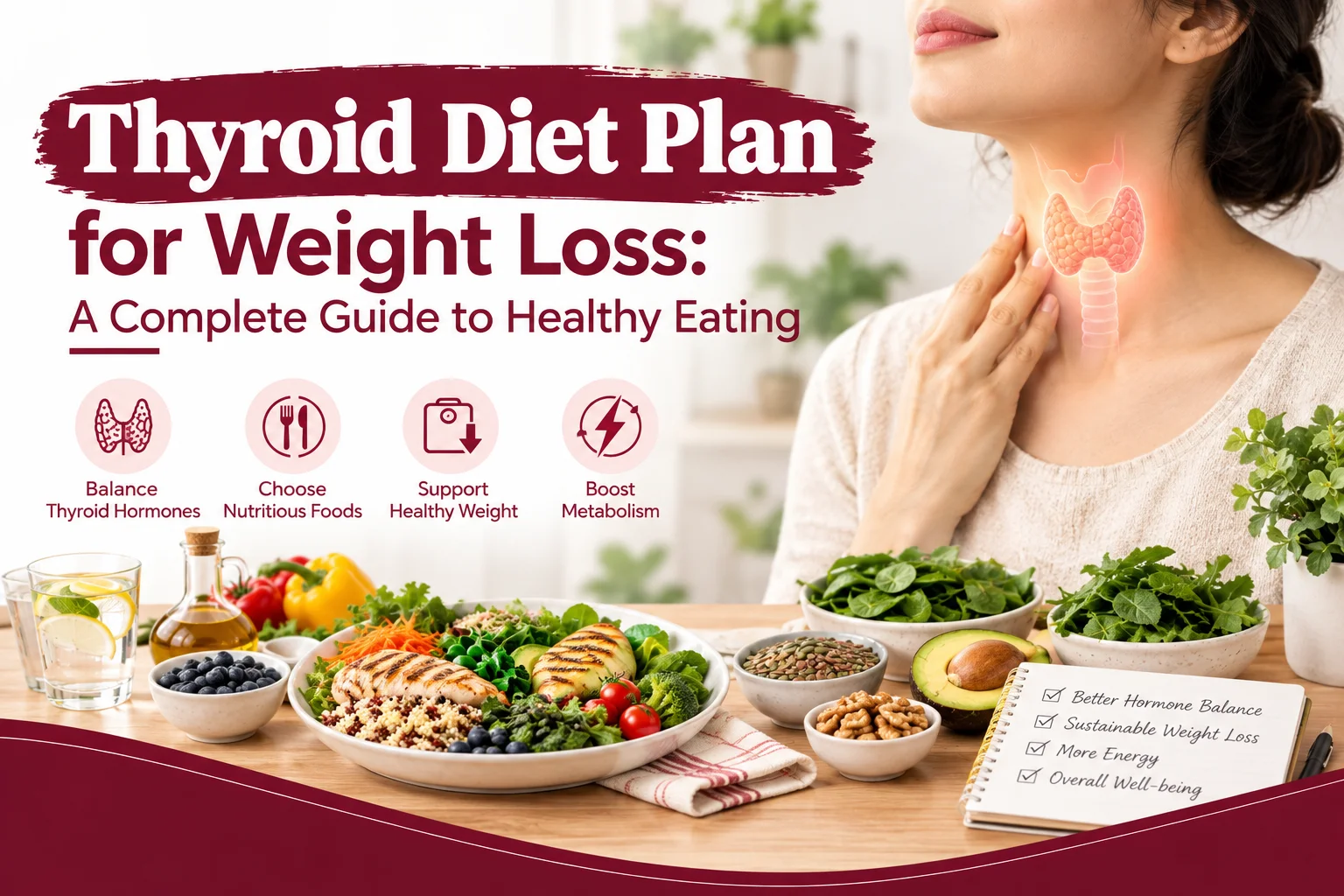
Living a life with hypothyroidism makes weight loss feel like an unending fight, but the right Thyroid Diet Plan for Weight Loss can actually make a real difference. In this blog, we provide a guide that breaks down how thyroid health affects an individual’s metabolism and what one can eat to support sustainable, healthy weight management without any sort of extreme restriction.
How Does Hypothyroidism Affect Weight Loss?
Your thyroid gland produces hormones (T3 and T4) that regulate the body’s metabolism, which is the rate at which your body burns calories. When thyroid function is low, the condition is referred to as hypothyroidism. This can slow down metabolism and lead to:
- Reduced calorie burning during rest
- Increased fluid retention in the body
- Greater physical fatigue, making daily activities even harder
- Higher chances of weight gain
Proper thyroid management through medication, a proper diet, and a healthy lifestyle is extremely essential. Diet alone cannot cure untreated thyroid conditions, but it can significantly support your efforts toward achieving healthy weight management.
What Should a Thyroid Diet Plan Include?
A balanced Thyroid Diet Plan for Weight Loss involves nutrient-rich foods that support a healthy lifestyle and, to a degree, include:
- Protein-rich foods: Eggs, lean chicken, fish, lentils, paneer, and Greek yogurt can help preserve muscle and support steady energy levels.
- Fiber-rich foods: Whole grains such as oats, brown rice, and millets, along with vegetables and fruits.
- Healthy fats: Nuts, especially Brazil nuts, seeds, olive oil, and avocado.
- Whole grains: Quinoa, ragi, jowar, and whole wheat.
- Balanced meals: A combination of protein, fiber, and healthy fats.
Best Foods to Eat for Thyroid Health and Weight Loss
Indian Vegetarian Options
- Leafy green vegetables: Palak, methi, and mustard greens (cooked).
- Vegetables: Lauki, tori, carrots, tomatoes, beans, and pumpkin.
- Fruits: Guava, amla, berries, papaya, and oranges.
- Legumes: Moong dal, chana, rajma, and lentil chilla.
- Dairy: Low-fat milk, curd, and paneer, as per the patient’s requirements.
- Nuts and seeds: Brazil nuts and sunflower seeds.
Indian Non-Vegetarian Options
- Fish: Rohu, katla, and salmon, which provide iodine and omega-3 fatty acids.
- Eggs: Whole eggs or egg whites.
- Lean chicken or turkey: Preferably grilled or baked rather than fried.
- Shellfish: In moderation and according to individual iodine requirements.
Foods to Avoid or Restrict in Hypothyroidism
- Ultra-processed foods: Chips, biscuits, namkeen, sugary drinks, mithai, and fried snacks.
- Soy products: Tofu, soy milk, and soy chunks may need to be considered carefully, particularly around thyroid medication.
- Raw cruciferous vegetables: Broccoli, cauliflower, cabbage, kale, and similar vegetables may need to be moderated depending on individual circumstances.
- Gluten: Restriction is generally only necessary when medically indicated or when it suits the individual’s health condition.
- Excess iodine: Avoid excessive intake from sources such as seaweed, kelp supplements, and excessive amounts of iodized salt.
Essential Nutrients for Thyroid Health
- Iodine
- Selenium
- Iron
- Vitamin B12
- Vitamin D
Note: Nutrients and supplements should be consumed according to appropriate medical advice and individual requirements.
Lifestyle Tips to Support Weight Loss With Hypothyroidism
- Physical activity: Aim for 30 minutes of walking, yoga, or light strength training on most days.
- Sleep: Aim for 7–8 hours of sleep every day.
- Stress management: Practice meditation, deep breathing, or hobbies that you enjoy.
- Portion awareness: Paying attention to portion sizes is important for maintaining appropriate food intake.
- Hydration: Drinking plenty of water throughout the day is necessary for overall health.
Common Mistakes to Avoid With a Thyroid Diet Plan
- Extreme calorie restriction
- Unnecessary food elimination
- Self-medication or supplement overuse
- Unrealistic expectations
When Should One Consult a Dietitian or Doctor?
Seek professional guidance if:
- You are struggling with weight loss despite following a healthy diet.
- You experience persistent fatigue, hair loss, or mood changes.
- You have concerns regarding meals around thyroid medication.
- You have nutrient deficiencies.
- You have any other underlying health conditions that need to be considered.
Conclusion
A thoughtful Thyroid Diet Plan for Weight Loss isn’t about strict rules but about nourishing your body with the right nutrients, staying active, and managing stress to support your health goals under proper guidance.