+91-629 188 5681
 dietician.priyaagarwal@gmail.com
There is no single diet that works equally well for everyone. Nutritional needs can vary according to age, activity level, health conditions, medications, food preferences, cultural eating habits, and individual health goals. A diet that works well for one person may not be appropriate for another, particularly when medical or nutritional needs are involved.
Healthy eating is also not simply about following a list of foods to eat or avoid. The World Health Organization (WHO) describes a healthy diet in terms of adequacy, balance, moderation, and diversity, while recognizing that the exact composition of a healthy diet can vary according to individual characteristics, lifestyle, cultural context, and locally available foods.
This is where personalized nutrition care can be useful. Rather than relying on a generic diet chart, personalized nutrition considers the individual’s circumstances and creates practical dietary recommendations that can be followed as part of everyday life.
What Is Personalized Nutrition Care?
Personalized nutrition means adapting dietary advice to an individual’s nutritional requirements, health status, lifestyle, preferences, and goals. Instead of assuming that everyone needs the same diet, it considers what a person needs and what they can realistically maintain.
For example, a personalized plan may consider age, activity level, health conditions, food preferences, daily routine, allergies, and specific health goals.
A generic diet may offer broad recommendations such as reducing calories or avoiding certain foods, but it may not account for an individual’s medical history, medications, nutritional needs, or lifestyle. Personalized nutrition helps adapt these general principles to the individual’s circumstances.
It does not mean that everyone needs completely different foods. Healthy eating principles such as eating a variety of nutrient dense foods and limiting excess sugar, unhealthy fats, and sodium remain broadly applicable. The difference is how these principles are adapted to each person’s needs.
Why a Personalized Diet Plan Matters for Your Health
An individualized eating plan can help translate general nutrition recommendations into practical choices that fit a person’s health needs and daily routine.
-
Sustainable Weight Management
Healthy weight management generally involves balancing energy intake with energy expenditure while maintaining adequate nutrition. For people trying to lose weight, reducing calorie intake can contribute to weight loss, but the eating pattern also needs to be realistic enough to maintain over time. NIDDK recommends choosing a healthy eating plan that can be maintained over the long term and combining it with appropriate physical activity.
A personalized approach can therefore focus not only on calories but also on food quality, portion sizes, preferences, meal patterns, and sustainable habits.
-
Better Blood Sugar Management
Nutrition is an important part of diabetes management. However, there is no single eating pattern that is appropriate for every person with diabetes. The American Diabetes Association’s 2026 Standards of Care recommend individualized nutrition therapy that considers factors such as nutritional quality, calorie needs, metabolic goals, personal preferences, cultural factors, and other individual circumstances.
Depending on the individual, this may involve paying attention to carbohydrate sources and portions, choosing higher fibre foods, including protein rich foods, and reducing foods high in added sugars and refined carbohydrates.
-
Improved Digestion and Gut Health
Diet can influence digestive health, although the appropriate dietary approach depends on the person’s symptoms and underlying condition. Adequate dietary fibre is important for bowel health, and NIDDK recommends gradually increasing fibre while consuming sufficient fluids, particularly when managing constipation.
Personalized dietary adjustments can help identify eating patterns that may be contributing to symptoms while ensuring that unnecessary food restrictions are avoided.
-
Supporting Heart Health
Heart healthy nutrition emphasizes an overall dietary pattern rather than relying on individual foods or nutrients. The American Heart Association recommends dietary patterns that include vegetables and fruits, whole grains, healthy sources of protein, minimally processed foods, and unsaturated plant oils, while limiting added sugars, sodium, saturated fat, and trans fat.
Individual dietary recommendations may need to be adapted according to a person’s blood pressure, cholesterol levels, weight, medical conditions, and existing dietary habits.
-
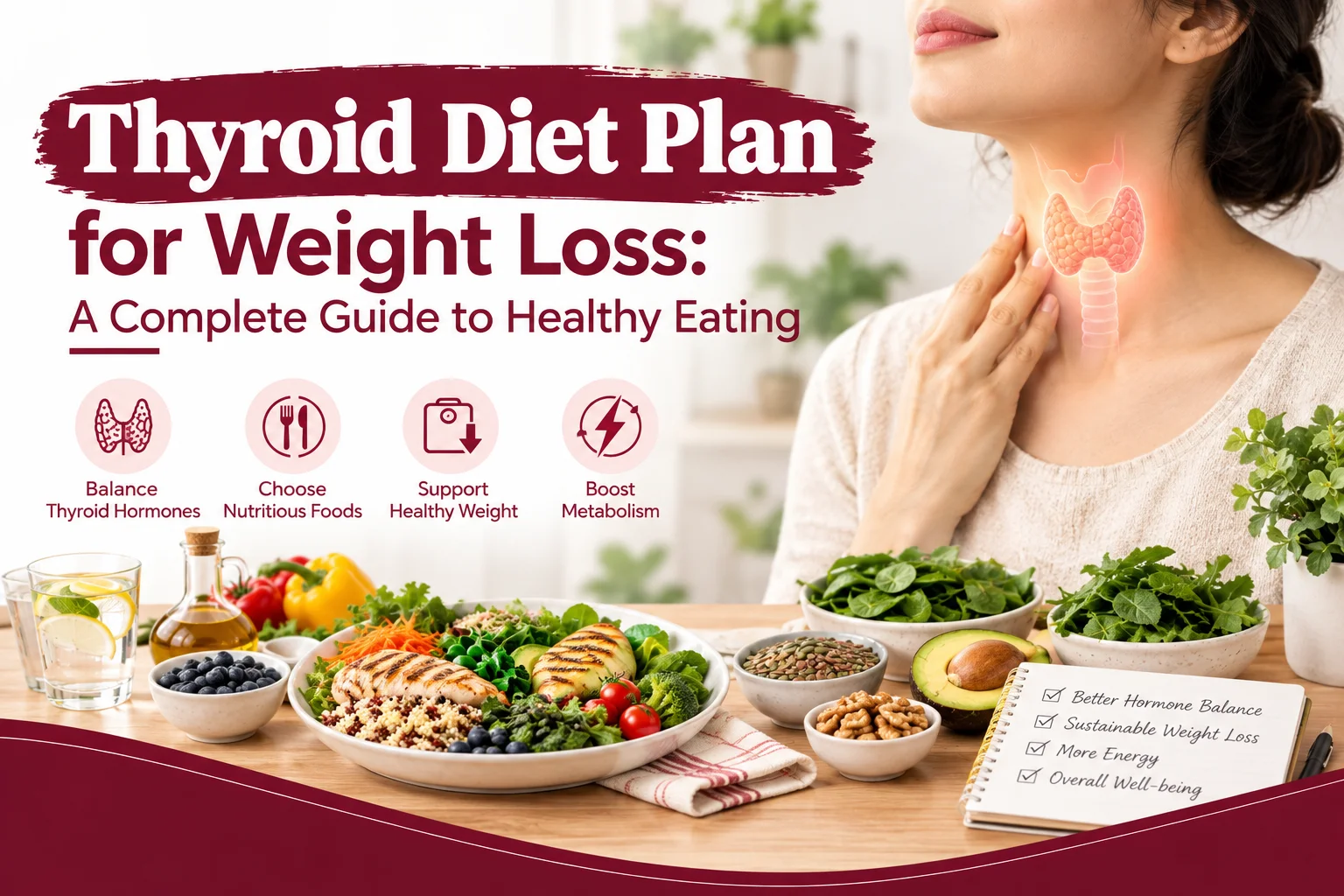
Managing Thyroid Related Nutritional Needs
There is no scientifically established universal “thyroid diet.” People with thyroid disorders may have different nutritional requirements depending on the underlying condition and treatment.
For example, iodine is required to produce thyroid hormones, but excessive iodine can be harmful in certain thyroid conditions, for this reason, thyroid related nutrition should be individualized and should complement, rather than replace, appropriate medical treatment.
Nutrition Support for Different Health Goals
Everyone has different health goals and nutritional needs. Personalized nutrition adapts healthy eating to individual health conditions, lifestyle, and routine, helping create a practical and sustainable diet plan for a healthy lifestyle.
-
PCOS and Hormonal Health
Nutrition for PCOS can focus on overall dietary quality, adequate protein and fibre, balanced meals, and appropriate energy intake. Individualized dietary planning can also consider insulin resistance, lifestyle factors, and personal food preferences.
-
Nutrition During Pregnancy
Nutritional needs increase during pregnancy to support the health and development of both the mother and baby. A personalized nutrition plan can focus on adequate energy, protein, essential nutrients, hydration, and safe food choices while accounting for individual dietary requirements.
-
Sports and Fitness Nutrition
People with regular physical activity may have different energy, protein, carbohydrate, and hydration needs depending on their activity level and goals. Personalized nutrition can help align food choices and meal timing with training, recovery, and overall health.
-
Nutrition for Different Life Stages
Nutritional needs change throughout life. Children, teenagers, adults, and older adults may require different amounts and types of nutrients depending on growth, activity levels, health conditions, and lifestyle. Personalized guidance can help adapt dietary recommendations to each stage.
What Makes a Nutrition Plan Truly Personalized?
A genuinely personalized nutrition plan goes beyond changing a few foods on a standard diet chart. It may consider:
- Health history and current medical conditions
- Existing medications and medical recommendations where relevant
- Current eating habits and meal patterns
- Daily work and lifestyle routine
- Physical activity level
- Food preferences and cultural eating habits
- Food allergies or medically diagnosed intolerances
- Nutritional requirements and potential deficiencies
- Weight and other health goals
- Ability to access, prepare, and afford recommended foods
- Progress and response to dietary changes
This information helps make nutrition recommendations more realistic. For example, a meal plan based entirely on foods that a person does not normally eat may be nutritionally sound on paper but difficult to maintain in everyday life.
How Professional Nutrition Guidance Can Help
Professional nutrition guidance is generally an ongoing process rather than a one time diet chart.
Initial Consultation → Nutrition Assessment → Personalized Plan → Implementation → Progress Monitoring → Plan Adjustments
During an initial consultation, relevant health information, eating habits, lifestyle, goals, and other factors can be discussed. The nutrition professional can then use this information to develop appropriate dietary recommendations.
Implementation is equally important. A plan may need adjustments when a person’s schedule changes, progress differs from expectations, symptoms change, or new medical recommendations are introduced.
For people managing medical conditions such as diabetes, nutrition care should also be coordinated with the wider healthcare team where appropriate. The ADA specifically emphasizes individualized medical nutrition therapy as part of diabetes management.
Why Choose Dietitian Priya Agarwal for Personalized Nutrition Guidance?
For individuals looking for a dietitian in Kolkata, Dietitian Priya Agarwal provides consultations focused on individualized and practical dietary planning. The practice describes its approach as personalized to a person’s lifestyle, goals, and medical needs, with consultation and progress monitoring options available.
With the experience highlighted by the practice, including more than 18 years of experience, the focus is on creating practical nutrition plans rather than promoting a single diet for everyone. Individual consultations can be useful for people seeking support with weight management, diabetes, digestive concerns, thyroid related nutrition, PCOS, and other health or lifestyle goals.
Book a Consultation with Dietitian Priya Agarwal to discuss your individual nutrition needs and develop a dietary approach suited to your health goals and lifestyle.
Conclusion
There is no single diet that is suitable for everyone. Healthy nutrition is built around adequate and varied foods, but the way those principles are applied can differ from person to person.
A sustainable nutrition plan should fit your health needs, lifestyle, food preferences, cultural habits, and personal goals. When medical conditions or specific nutritional concerns are involved, professional guidance can also help ensure that dietary changes are appropriate and practical.
Rather than searching for the perfect diet, focus on developing an eating pattern that you can understand, follow, and maintain over time.